
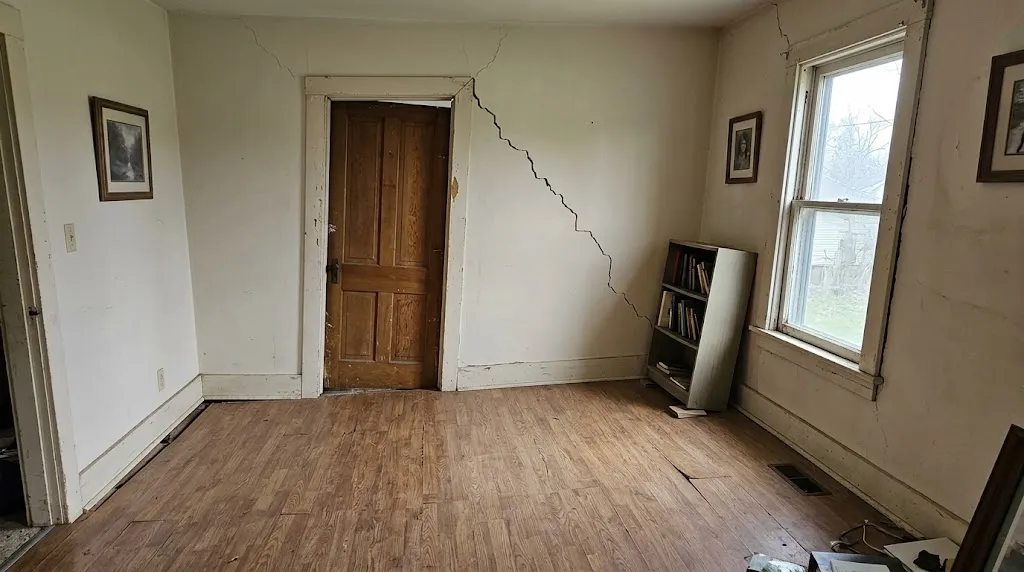
Sagging floors, bouncy spots, sticking doors, or a musty crawl space can all point to pier and beam foundation problems. Learn the 9 warning signs San Antonio homeowners should not ignore – and when to schedule a professional foundation inspection.
Pier and beam homes rely on a system of beams, joists, piers, pads, and soil to support the structure above the crawl space. When one part of that system settles, shifts, deteriorates, or loses support, the symptoms can appear throughout the house.
VAN General Contracting provides free foundation inspections in San Antonio, including pier and beam assessments, crawl-space evaluations, floor elevation mapping, photo documentation, and written recommendations.
Why Pier & Beam Foundations Fail in San Antonio
Pier and beam foundations have a different failure pattern from slab foundations.
The crawl space provides access to the structural components, which means problems can develop below the floor long before they become obvious inside the home.
Three following factors deserve particular attention in San Antonio:
Clay Soil & Moisture Cycles
Soil moisture can change significantly between wet and dry periods.
Expansive clay soils respond to those moisture changes by shrinking as they dry and swelling as they become wetter. San Antonio engineering documentation identifies changes in soil moisture as a major factor in shrink-swell behavior and foundation movement.
The important question is therefore not simply, “Is my house sitting on clay?”
It is: Is something causing the support beneath my home to move or lose capacity?
Crawl Space Humidity & Wood Rot
The crawl space is one of the most important parts of a pier and beam home – and one of the easiest for homeowners to overlook.
Poor drainage and inadequate moisture control can also create conditions that encourage mold and wood decay.
Texas A&M AgriLife specifically recommends inspecting pier and beam crawl spaces for termite activity, moisture conditions, and damage to beams and piers.
Termite & Pest Damage
Termites are another concern for older pier and beam homes because much of the structural system is accessible within the crawl space.
Texas A&M recommends examining crawl spaces in pier and beam homes for termite shelter tubes and checking beams, piers, and other structural areas for evidence of activity.
Termite damage does not necessarily mean the foundation itself has failed. If pests have damaged structural wood supporting the floor system, the resulting loss of capacity can eventually contribute to sagging or uneven floors.
9 Warning Signs San Antonio Homeowners Should Never Ignore
1. Sagging or Sloping Floors
One of the clearest signs of a potential pier and beam foundation problem is a floor that is visibly or noticeably out of level.
You may feel that you are walking slightly downhill across a room. Furniture may appear tilted. Objects may roll toward one side.
A sloping floor can have several causes, including:
- Settled piers
- Movement of supporting soil
- Damaged beams
- Deteriorated joists
- Failed or displaced shims
A sloping floor does not automatically mean the entire foundation needs to be replaced or leveled.
2. Soft or Bouncy Spots When Walking
Does one part of your floor feel noticeably softer than the rest?
A little movement in an older wood-framed floor is not necessarily a structural emergency. But a newly developed soft spot, concentrated bounce, or noticeable flex under normal foot traffic deserves attention.
The cause could be a weakened joist, deteriorated beam, damaged subfloor, inadequate support, or movement beneath an individual pier
3. Sticking Doors & Windows
Doors and windows that suddenly become difficult to open or close can be a sign that portions of the house have shifted.
The frame may no longer be perfectly aligned because the floor or supporting structure beneath it has moved.
This symptom is particularly useful when it appears alongside other signs such as:
- Sloping floors
- Wall cracks
- Baseboard gaps
- Uneven transitions between rooms
4. Musty Odors from Below the Home
A persistent musty smell coming from the crawl space can indicate elevated moisture or poor ventilation.
Moisture conditions underneath the house can affect both the condition of the structural wood and the overall performance of the foundation system.
5. Visible Wood Rot or Mold in the Crawl Space
If you can safely access the crawl space and see darkened, soft, deteriorated, or visibly damaged wood, the condition should be professionally evaluated.
Beams, joists, posts, and other structural members are responsible for transferring the home’s loads to the foundation supports.
If you see significant deterioration, avoid treating the visible wood as an isolated cosmetic issue.
6. Cracks at Baseboards or Near Floor Level
Foundation movement does not always produce dramatic cracks across the middle of a wall.
Cracks can also appear around:
- Baseboards
- Floor transitions
- Door frames
- Interior trim
- Wall-to-floor junctions
A small crack by itself may be cosmetic. A pattern of cracking combined with floor movement or other structural symptoms deserves a closer assessment.
7. Gaps Between Floors and Walls
Noticeable separation between the floor and wall, trim pulling away from the wall, or gaps developing around interior finishes can indicate movement within the floor or structural system.
If a gap is growing, appears in multiple rooms, or occurs alongside sloping floors, sticking doors, or crawl-space problems, schedule an inspection.
8. Uneven Support Felt Room to Room
One of the defining characteristics of pier and beam problems can be differential movement.
For example, one pier may have settled while nearby supports remain stable. A beam may also have deteriorated in one area while the remainder of the floor system remains sound.
This is why inspecting the entire support system matters more than simply leveling the room where the problem is most noticeable.
9. Pest Activity in the Crawl Space
Termite shelter tubes, damaged wood, insect activity, or other evidence of pests should not be ignored in a pier and beam home.
A pest treatment may eliminate the insects, but it does not automatically restore structural wood that has already been damaged.
How Quickly Should You Act on These Signs in San Antonio?
Not every foundation symptom requires emergency repair. But waiting indefinitely is rarely the best strategy.
A useful rule is:
The more symptoms you see together – and the more those symptoms are changing – the sooner you should have the foundation evaluated.
Schedule an inspection promptly if you notice:
- A floor that is becoming increasingly uneven
- New or worsening soft spots
- Multiple doors suddenly sticking
- Growing cracks near floors or baseboards
- Visible beam, joist, or pier deterioration
The goal of an inspection is not to assume that every symptom means foundation failure.
For San Antonio homes, that distinction matters because soil moisture can influence foundation movement, while drainage, vegetation, plumbing leaks, and other site conditions can also affect moisture beneath a structure.
What a Free Foundation Inspection Reveals
A professional pier and beam inspection should go beyond looking at the walls from inside the house.
At VAN General Contracting, the inspection focuses on the complete support system.
Exterior Assessment
We examine the perimeter of the home for visible settlement, cracking, drainage concerns, and conditions that may affect the foundation.
Floor Elevation Mapping
Floor elevations help quantify differences in elevation across the home rather than relying entirely on visual judgment..
Interior Assessment
We inspect floors, walls, ceilings, doors, windows, trim, and other areas for patterns associated with structural movement.
Crawl Space Assessment
For pier and beam homes, the crawl space is critical.
We inspect accessible piers, beams, joists, shims, and other structural components for settlement, deterioration, moisture damage, and other conditions affecting the support system.
Moisture & Drainage Review
We look for conditions that may be contributing to moisture changes around or beneath the home, including drainage issues and visible water-related concerns.
Written Findings
You receive documented findings with photographs and recommendations where applicable.
The purpose is simple: Know what is happening before deciding what to do about it.
When Does a Pier and Beam Foundation Actually Need Repair?
Seeing one warning sign does not automatically mean you need foundation repair.
Repair becomes more likely when an inspection identifies an underlying structural problem such as:
- Settled or displaced piers
- Deteriorated structural beams
- Damaged joists
- Failed shims or support points
- Significant differential movement
- Structural wood damage
That might mean addressing drainage or moisture first, replacing damaged structural wood, correcting individual supports, or carrying out a broader foundation repair or leveling project.
Pier and Beam Foundation Problems in San Antonio: The Bottom Line
Pier and beam foundations can develop problems that are surprisingly easy to miss.
A floor that feels slightly uneven may be the first indication. A sticking door may appear months before a more obvious structural symptom. A musty crawl space may be the only visible clue that moisture is affecting the structure underneath.
Sagging floors, bouncy spots, sticking doors, crawl-space moisture, wood deterioration, cracks near floor level, gaps, uneven support, and pest activity all justify taking a closer look.
Need a Professional Opinion?
If your San Antonio home has sagging floors, bouncy spots, sticking doors, crawl-space moisture, or other signs of pier and beam foundation problems, don’t guess at the cause.
VAN General Contracting provides free foundation inspections in San Antonio so you can understand what is happening beneath your home before deciding whether repair is necessary.
Call (830) 549-4331 to schedule your free inspection.
[Schedule a Free Foundation Inspection]
Frequently Asked Questions
Question No: 01 What are the most common signs of pier and beam foundation problems in San Antonio?
The most common warning signs include sagging or sloping floors, bouncy areas, sticking doors and windows, crawl-space moisture or musty odors, wood rot, cracks near baseboards, gaps between floors and walls, uneven support, and termite activity.
Question No: 02 Are bouncy floors a sign of foundation problems?
They can be. A bouncy floor may result from damaged joists, weakened beams, inadequate support, subfloor problems, or movement beneath an individual pier.
Question No: 03 Why do pier and beam foundations have problems in San Antonio?
San Antonio homes can be affected by changing soil moisture, expansive clay conditions, drainage problems, crawl-space moisture, wood deterioration, termites, and age-related structural deterioration.
Question No: 04 How serious is a sagging floor in a pier and beam home?
A sagging floor can range from a localized flooring or framing issue to a foundation support problem. It should not automatically be treated as a major foundation failure, but a noticeable or worsening sag warrants professional evaluation.
Question No: 05 Should I inspect my crawl space if my floors are uneven?
Yes. The crawl space contains many of the components responsible for supporting a pier and beam floor system. Inspecting the crawl space can reveal settled piers, damaged beams or joists, moisture problems, wood deterioration, and pest activity that cannot be identified from inside the home.